
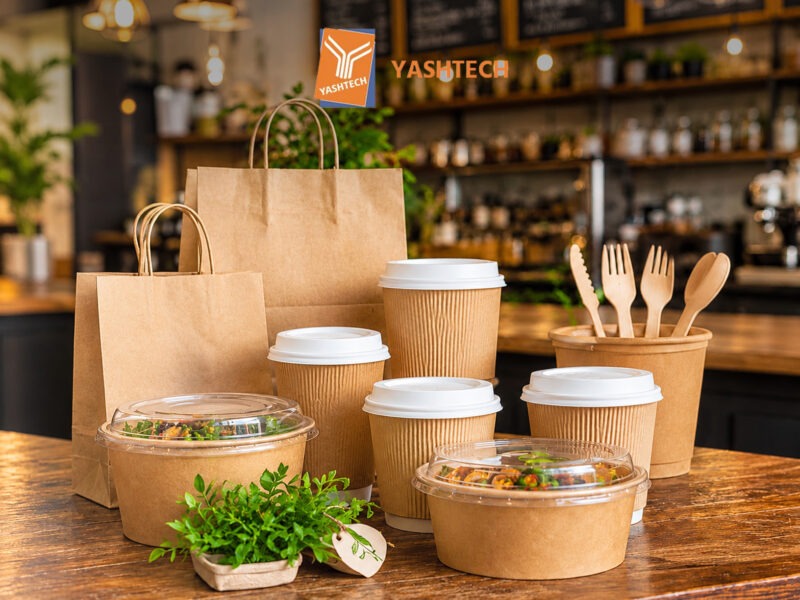
Sustainable Packaging Solutions for Cafes and Restaurants
The food service industry is evolving rapidly, and sustainability has become a major priority for businesses and consumers alike. Customers today are more environmentally conscious and prefer dining establishments that actively reduce their environmental footprint. One of the most effective ways cafes and restaurants can contribute to a greener future is by adopting eco-friendly food packaging solutions.
Traditional packaging materials such as plastic containers, foam boxes, and non-recyclable wrappers contribute significantly to environmental pollution. As regulations become stricter and consumer expectations continue to rise, businesses are seeking smarter and more sustainable alternatives.
In this guide, we’ll explore the best restaurant packaging solutions, the benefits of biodegradable packaging, and how compostable food containers can help cafes and restaurants improve their brand image while protecting the environment.
Why Sustainable Packaging Matters for Food Businesses
Packaging plays a crucial role in food delivery, takeaway services, and customer satisfaction. However, conventional packaging often creates long-term environmental challenges.
Key Environmental Concerns
● Excessive plastic waste
● Landfill accumulation
● Ocean pollution
● Carbon emissions from manufacturing
● Limited recycling capabilities
By switching to eco-friendly food packaging, restaurants can significantly reduce their environmental impact while meeting customer expectations.
Business Benefits of Sustainable Packaging
● Improves brand reputation
● Attracts environmentally conscious customers
● Supports corporate sustainability goals
● Enhances customer loyalty
● Helps comply with environmental regulations
● Creates a premium brand image
Understanding Sustainable Food Packaging
Sustainable packaging refers to materials that minimize environmental impact throughout their lifecycle, from production to disposal.
Characteristics of Sustainable Packaging
✔ Renewable materials
✔ Recyclable components
✔ Compostable materials
✔ Reduced carbon footprint
✔ Non-toxic manufacturing processes
✔ Minimal waste generation
Many modern restaurant packaging solutions now combine functionality, durability, and sustainability.
Types of Eco-Friendly Food Packaging
1. Compostable Food Containers
Compostable food containers are made from natural materials that break down into nutrient-rich compost under proper composting conditions.
Common materials include:
● Bagasse (sugarcane fiber)
● Cornstarch-based bioplastics
● Bamboo fiber
● Palm leaf products
Benefits
● Naturally decomposes
● Reduces landfill waste
● Suitable for hot and cold foods
● Supports circular economy initiatives
Popular uses:
● Takeaway meals
● Salad bowls
● Food trays
● Soup containers
2. Biodegradable Packaging
Biodegradable packaging breaks down naturally through microorganisms over time.
Common biodegradable materials:
● Kraft paper
● Paperboard
● Plant-based plastics
● Natural fiber packaging
Advantages
● Lower environmental impact
● Reduced plastic pollution
● Better customer perception
● Supports sustainability initiatives
Many cafes now use biodegradable cups, food wraps, and takeaway containers to replace traditional plastic alternatives.
3. Recyclable Paper Packaging
Paper packaging remains one of the most widely used sustainable options.
Examples include:
● Paper food boxes
● Paper bags
● Sandwich wraps
● Beverage carriers
Why It Works
● Easily recyclable
● Cost-effective
● Lightweight
● Customizable with branding
4. Areca Palm Leaf Packaging
Areca palm leaf products are becoming increasingly popular among environmentally conscious food businesses.
Benefits include:
● 100% natural
● Chemical-free
● Durable and leak-resistant
● Suitable for hot foods
● Elegant appearance
These products are ideal for cafes, catering businesses, and restaurants seeking premium eco-friendly alternatives.
Comparison of Sustainable Packaging Options
| Packaging Type | Eco-Friendly | Compostable | Durability | Best For |
| Bagasse Containers | Yes | Yes | High | Takeaway meals |
| Kraft Paper Boxes | Yes | Partial | Medium | Fast food |
| Palm Leaf Plates | Yes | Yes | High | Premium dining |
| PLA Bioplastic Containers | Yes | Industrial Composting | High | Cold foods |
| Paper Bags | Yes | Yes | Medium | Food delivery |
How Sustainable Packaging Improves Customer Experience
Today’s consumers are paying attention to the packaging they receive along with their food.
Customers Notice Sustainable Choices
Studies consistently show that consumers prefer brands demonstrating environmental responsibility.
When customers receive food in:
● Recyclable containers
● Sustainable carry bags
● Compostable packaging
they are more likely to view the business positively.
Better Brand Perception
Sustainable packaging communicates:
● Responsibility
● Innovation
● Quality
● Environmental commitment
This creates a competitive advantage in crowded food markets.
Restaurant Packaging Solutions for Different Food Categories
Different menu items require specific packaging designs.
For Hot Foods
Recommended options:
● Kraft paper boxes
● Compostable meal trays
Features:
● Heat resistance
● Leak resistance
● Structural strength
For Cold Foods
Recommended options:
● PLA containers
● Compostable salad bowls
● Recyclable paper containers
Features:
● Transparency
● Freshness preservation
● Moisture resistance
For Beverages
Recommended options:
● Paper cups
● Compostable lids
● Recyclable cup sleeves
Features:
● Temperature insulation
● Spill prevention
● Branding opportunities
Cost vs Value: Is Sustainable Packaging Worth It?
Many restaurant owners initially worry about higher packaging costs.
However, evaluating only upfront expenses can be misleading.
Long-Term Benefits
| Factor | Traditional Packaging | Sustainable Packaging |
| Customer Perception | Standard | Premium |
| Brand Value | Moderate | High |
| Environmental Impact | High | Low |
| Regulatory Compliance | Risky | Safer |
| Customer Retention | Average | Strong |
The long-term brand value often outweighs the slightly higher initial investment.
Custom Branding with Sustainable Packaging
Sustainability and branding can work together effectively.
Custom Packaging Opportunities
Businesses can customize:
● Food boxes
● Carry bags
● Beverage cups
● Delivery packaging
Branded eco-friendly food packaging enhances visibility while reinforcing environmental values.
Benefits of Custom Printed Sustainable Packaging
● Improved brand recognition
● Professional appearance
● Memorable customer experience
● Stronger customer loyalty
Best Practices for Implementing Sustainable Packaging
Evaluate Your Current Packaging
Start by identifying:
● Plastic-heavy packaging
● Non-recyclable materials
● Excessive packaging usage
Choose the Right Supplier
Look for suppliers that offer:
● Certified sustainable products
● Food-grade materials
● Consistent quality
● Custom branding options
Educate Customers
Clearly communicate:
● Recycling instructions
● Composting information
● Sustainability initiatives
Customers appreciate transparency.
Reduce Packaging Waste
Focus on:
● Right-sized containers
● Minimal packaging layers
● Reusable alternatives where possible
Future Trends in Sustainable Food Packaging
The packaging industry continues to innovate rapidly.
Emerging Trends
Plant-Based Packaging
Materials derived from:
● Seaweed
● Corn starch
● Agricultural waste
Smart Sustainable Packaging
Features include:
● QR codes
● Traceability information
● Sustainability data
Circular Economy Packaging
Designed for:
● Reuse
● Recycling
● Composting
These innovations will continue shaping the future of restaurant packaging solutions.
Why Choose YashTech for Sustainable Packaging Solutions?
At YashTech, we understand the growing need for environmentally responsible packaging in the food service industry.
We offer a wide range of:
● Eco-friendly food packaging
● Biodegradable packaging
● Compostable food containers
● Customized restaurant packaging solutions
● Sustainable takeaway packaging
Our packaging products help cafes, restaurants, bakeries, cloud kitchens, and food delivery businesses reduce environmental impact while enhancing brand value.
Whether you’re launching a new café or upgrading your restaurant’s packaging strategy, YashTech can provide reliable and sustainable packaging solutions tailored to your needs.
Conclusion
Sustainability is no longer a trend; it is becoming an essential part of successful food service operations. By investing in eco-friendly food packaging, biodegradable straws, and compostable food containers, cafes and restaurants can reduce waste, strengthen their brand reputation, and meet growing customer expectations.
The right restaurant packaging solutions not only protect food quality but also demonstrate a commitment to environmental responsibility. Businesses that embrace sustainable packaging today are positioning themselves for long-term success in an increasingly eco-conscious market.
Frequently Asked Questions (FAQs)
+What is eco-friendly food packaging?
Eco-friendly food packaging uses environmentally responsible materials that can be recycled, composted, or biodegraded, reducing environmental impact compared to traditional plastic packaging.
+Are compostable food containers safe for hot foods?
Yes. Most compostable food containers made from bagasse, bamboo, or palm leaf materials are designed to handle hot foods safely while maintaining structural integrity.
+What is the difference between biodegradable and compostable packaging?
Biodegradable packaging breaks down naturally over time, while compostable packaging decomposes into nutrient-rich compost under proper composting conditions.
+Why should restaurants switch to sustainable packaging?
Sustainable packaging helps reduce environmental impact, improve customer perception, comply with regulations, and strengthen brand reputation.
+Can sustainable packaging be customized with branding?
Yes. Many eco-friendly packaging products can be custom printed with logos, brand colors, and promotional messaging to enhance visibility and customer engagement.