
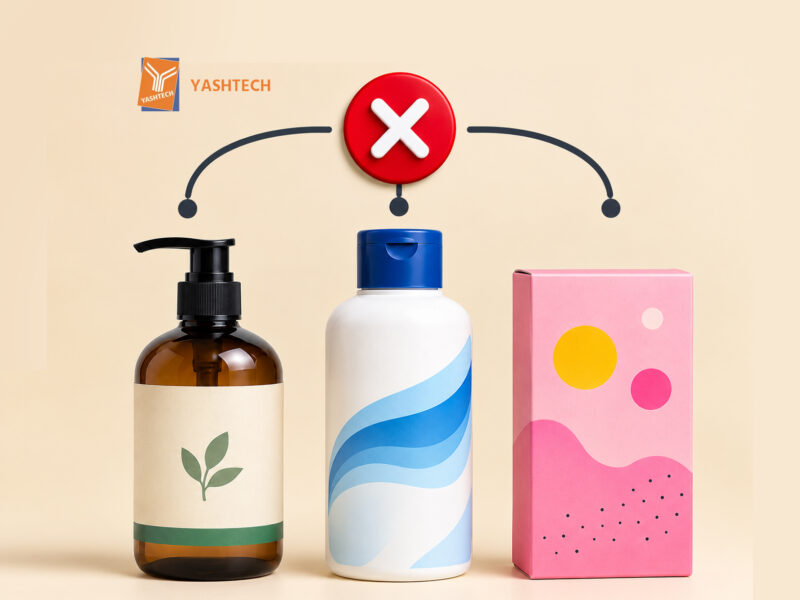
Packaging Design Mistakes That Can Hurt Your Brand Image
In today’s highly competitive market, your packaging is not just a protective layer; it is your brand’s silent salesperson. A strong packaging design can attract customers instantly, build trust, and increase conversions. On the other hand, poor design choices can damage your product packaging appeal and weaken your entire packaging branding strategy.
Many businesses invest heavily in product quality but overlook packaging mistakes that directly affect customer perception. In this article, we will explore the most common packaging design mistakes, why they matter, and how to avoid them to build a powerful brand identity.
Why Packaging Design Plays a Critical Role in Branding
Your packaging is often the first physical interaction customers have with your product. Within seconds, people judge quality, value, and trustworthiness based on how your product looks.
Strong packaging branding helps to:
● Build instant brand recognition
● Increase shelf visibility
● Communicate product value
● Influence buying decisions
● Improve customer loyalty
Weak packaging does the opposite: it makes even high-quality products look cheap or unreliable.
Common Packaging Design Mistakes That Damage Brand Image
1. Overcrowded Packaging Design
One of the biggest mistakes in product packaging is adding too much information, graphics, and colors.
Why it hurts:
● Confuses customers
● Reduces readability
● Weakens brand message
Solution:
Keep your design minimal. Focus on:
● Brand name
● Key product benefit
● Clean visuals
2. Ignoring Target Audience Preferences
A packaging design that doesn’t match your audience will fail even if it looks visually appealing.
Example:
● Premium customers expect elegant, minimal packaging
● Young audiences prefer bold, modern designs
Solution:
Conduct customer research before finalizing packaging design elements like color, typography, and material.
3. Weak Branding Consistency
Inconsistent fonts, colors, and logos across products destroy packaging branding identity.
Impact:
● Customers fail to recognize your brand
● Reduces trust and recall value
Solution:
Create a brand guideline that includes:
● Color palette
● Typography system
● Logo placement rules
● Packaging templates
4. Poor Quality Materials
Even a great packaging design fails if the material feels cheap or low quality.
Comparison Table: Packaging Material Impact
| Packaging Type | Customer Perception | Brand Impact |
| High-quality kraft boxes | Premium & eco-friendly | Strong brand image |
| Thin plastic packaging | Cheap & non-durable | Negative perception |
| Laminated rigid boxes | Luxury feel | High-end branding |
| Low-grade cardboard | Weak & unprofessional | Low trust |
Solution:
Invest in durable, sustainable, and industry-appropriate materials.
5. Lack of Clear Messaging
If customers cannot understand your product within 5 seconds, your packaging fails.
Common issue:
● Too much text
● Poor hierarchy
● Missing key benefits
Solution:
Use:
● Clear headlines
● Bullet points
● Simple icons
● One strong brand message
6. Ignoring Shelf Impact (Visual Competition)
Your product does not exist alone; it competes with dozens of others on shelves or online listings.
Mistake:
Designing packaging without considering competitors.
Solution:
● Study competitor packaging
● Use contrasting colors
● Focus on unique visual identity
7. Poor Typography Choices
Typography is a silent branding tool in packaging branding.
Mistakes:
● Hard-to-read fonts
● Too many font styles
● Inconsistent text hierarchy
Solution:
Use:
● 1–2 font families only
● Clear font hierarchy
● Readable sizes even from a distance
How Good Packaging Design Strengthens Brand Image
Strong product packaging delivers long-term business benefits:
● Builds emotional connection
● Increases repeat purchases
● Enhances product perceived value
● Supports premium pricing strategy
● Boosts social media visibility (unboxing trend)
Expert Recommendations for Better Packaging Design
Focus on Simplicity
Less is more. Clean designs perform better in almost every industry.
Prioritize User Experience
Packaging should be easy to:
● Open
● Store
● Dispose or recycle
Use Eco-Friendly Materials
Modern customers prefer sustainable product packaging solutions.
Invest in Prototyping
Always test multiple packaging samples before final production.
Align Design with Brand Story
Every color and shape should reflect your brand identity.
Real-World Use Cases of Effective Packaging Branding
Food Industry
● Minimal kraft packaging improves trust and hygiene perception
E-commerce Brands
● Branded boxes increase unboxing experience and social sharing
Luxury Products
● Rigid boxes with metallic finish enhance premium positioning
Retail FMCG
● Bold, shelf-friendly packaging design boosts impulse purchases
Conclusion
Avoiding packaging mistakes is essential for building a strong and memorable brand. A well-planned packaging design not only improves appearance but also strengthens trust and boosts sales.
In today’s competitive market, your food product packaging is your brand ambassador. When done right, it enhances your packaging branding and sets your business apart from competitors.
For businesses looking to upgrade their packaging solutions, investing in expert design strategy is not optional; it is essential for long-term success.
Frequently Asked Questions (FAQs)
+Why is packaging design important for branding?
Packaging design is the first visual communication between brand and customer. It influences perception, trust, and purchase decisions, making it essential for strong branding.
+What are the most common packaging design mistakes?
Overcrowding, poor material selection, weak branding consistency, and unclear messaging are the most common mistakes in product packaging.
+How does packaging affect customer buying behavior?
Attractive and clear packaging design improves emotional appeal, increases shelf visibility, and encourages impulse purchases.
+What materials are best for sustainable packaging branding?
Kraft paper, bagasse, and areca palm materials are widely used for eco-friendly product packaging solutions.
+How can businesses improve their packaging design strategy?
Businesses should focus on simplicity, target audience research, material quality, branding consistency, and professional design testing.